
Why choose fabric?
- Warmth you can see and touch. A woven face brings texture that glass, lacquer and laminate cannot, so a wall of storage feels like part of the room rather than a cabinet.
- A calm surface. A matte weave does not mirror the room the way glass or gloss does, which keeps a long wardrobe run quiet.
- It ties the room together. Pick a weave that echoes the headboard, sofa or curtains, and the storage becomes part of the interior scheme.
- Room to be different. 15 textile finishes, three edge colours and, on Quadro, one to three panels per door give a cabinet maker more combinations to offer than a standard range. Quadro’s panel layout can also mix surfaces in one door; the catalogue shows natural veneer with leather-look.
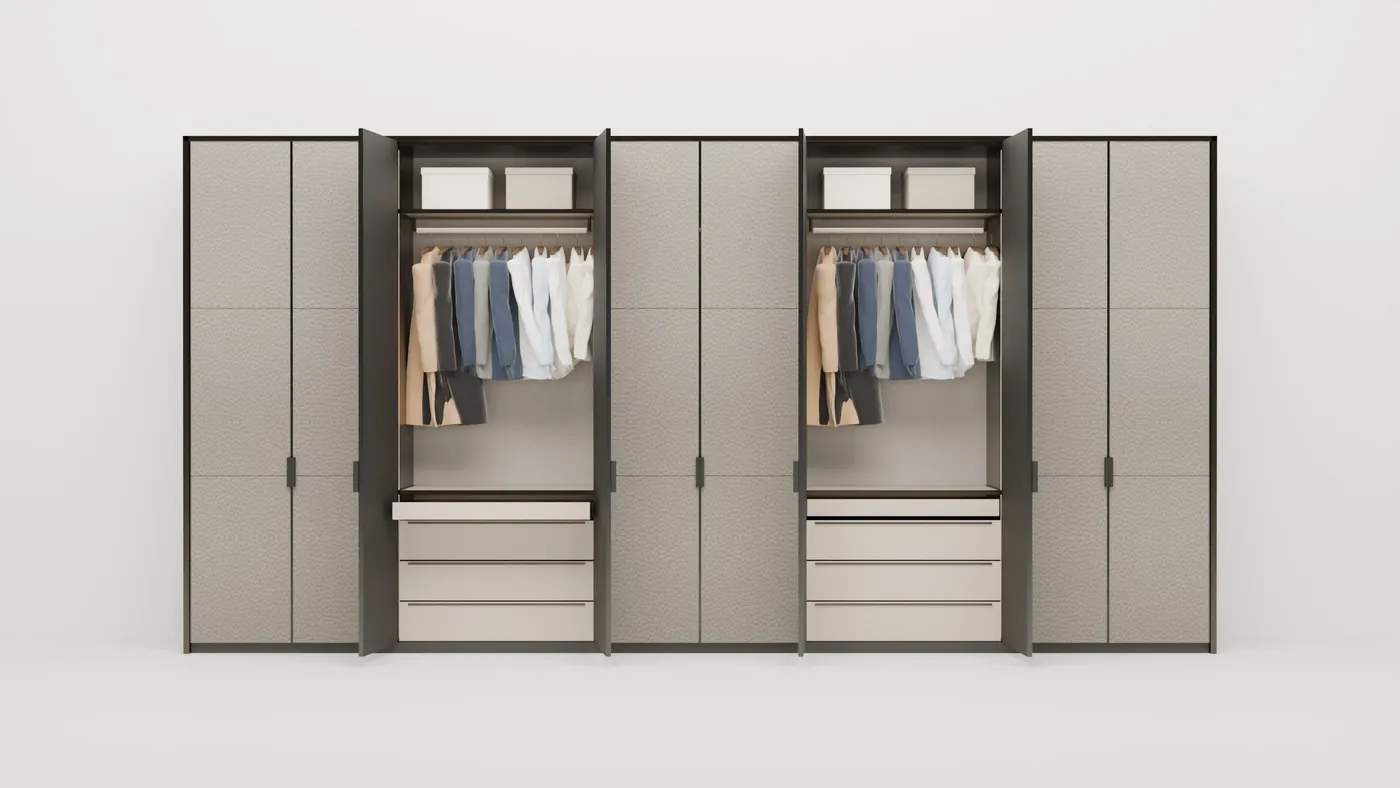
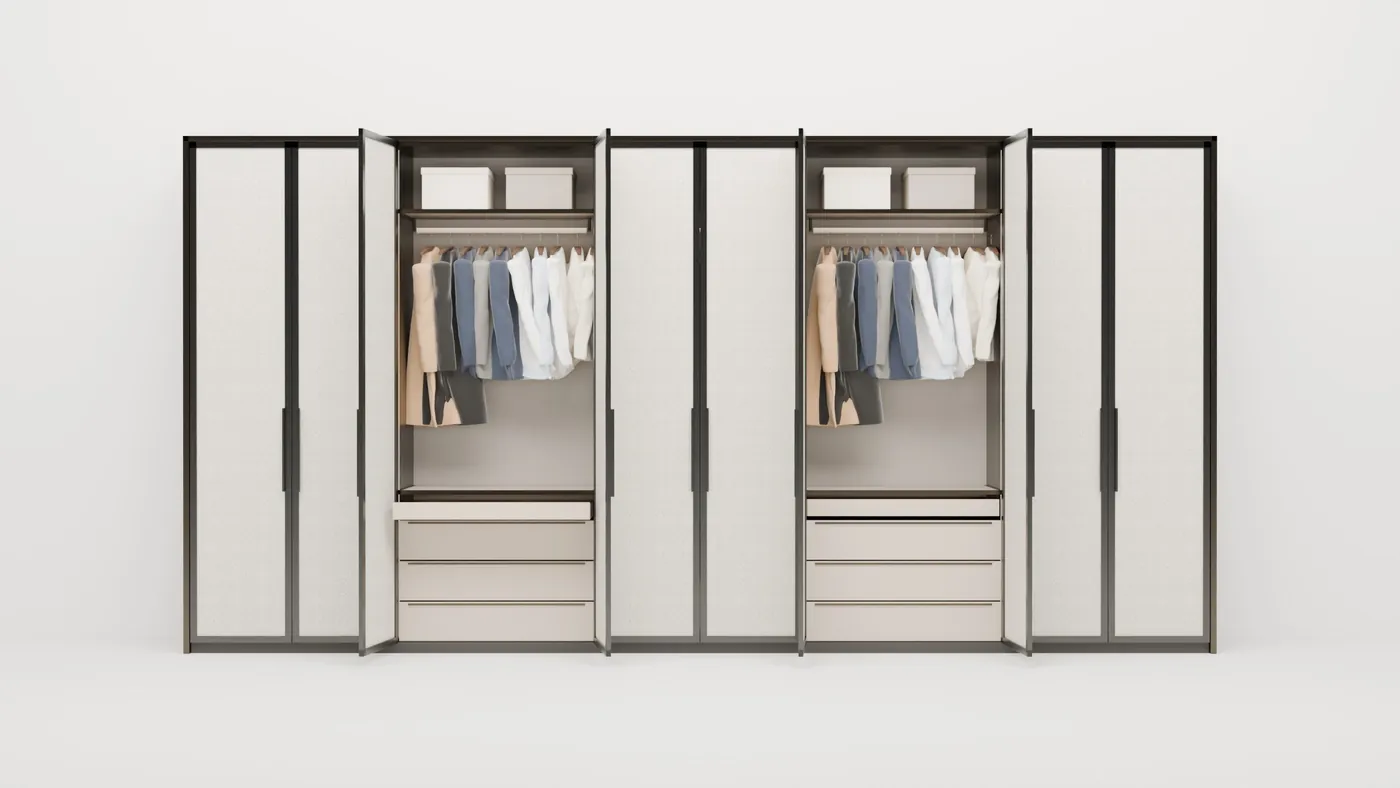
- Still an aluminum door. The fabric sits in a slim aluminum frame and arrives assembled with its handle and hinges, so it installs like any other Gainer door.
Fabric is chosen most for wardrobes, walk-in closets, bedrooms and living-room storage. For kitchens and bathrooms, ask us first; glass or sintered stone may suit those rooms better.
1. Choose the construction.
Gainer makes fabric-covered doors in two ways. Both sit in a slim aluminum frame and are supplied assembled.
Quadro GM146 holds the fabric on a panel inside the frame. You can split the door into one, two or three panels, which lets you line up divisions across a whole wardrobe run. It hangs on Blum 110° concealed cup hinges.
Tessa GM153 bonds the fabric to a glass substrate, so the front reads as one continuous woven surface. It hangs on pin hinges.
Quadro or Tessa?
| Quadro GM146 | Tessa GM153 | |
|---|---|---|
| Construction | Fabric on a panel, held in an aluminum frame | Fabric bonded to a glass substrate, one continuous face |
| Panel layout | One, two or three panels | One continuous face |
| Hinges | Blum 110° cup hinge | RY-ZSJL-L3-A pin hinge |
| Door thickness | 25 mm | 25 mm |
| Maximum leaf | 600 × 2700 mm | 600 × 2700 mm |
| Fabric finishes | 15 textile finishes | 15 textile finishes |
Pick Quadro if you want panel divisions or work with cup hinges every day. Pick Tessa for one uninterrupted woven face.
2. Choose the textile.
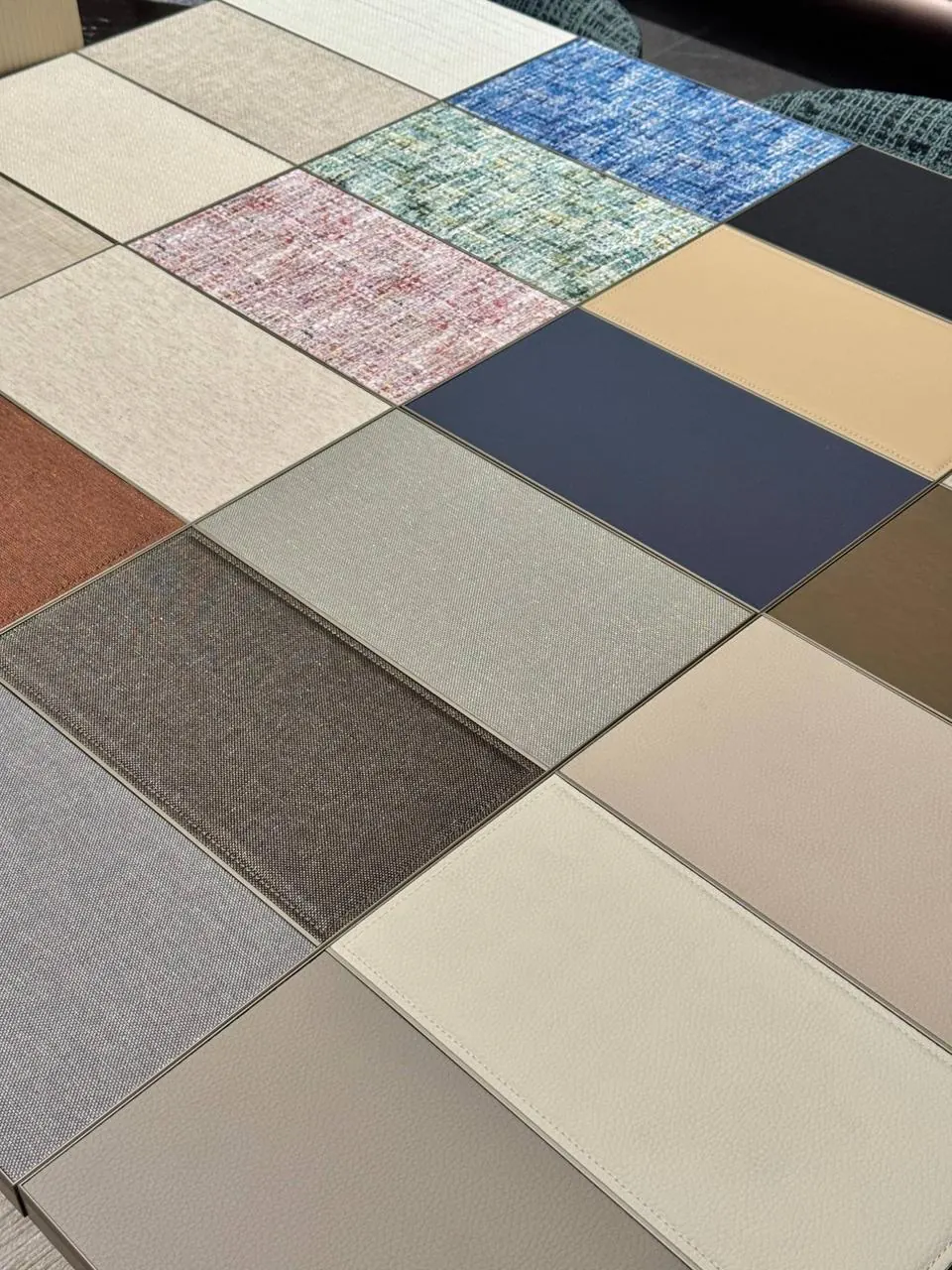
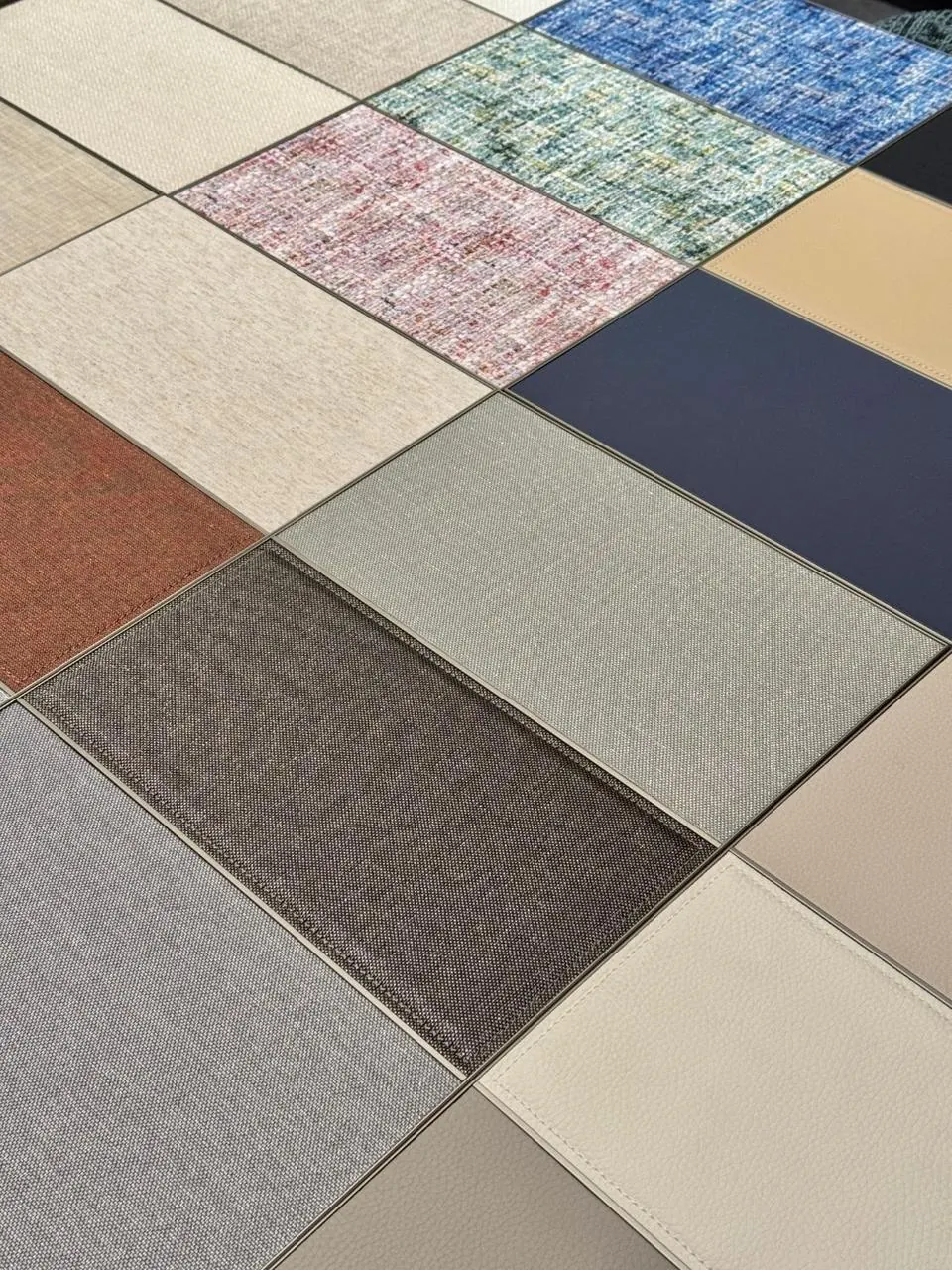
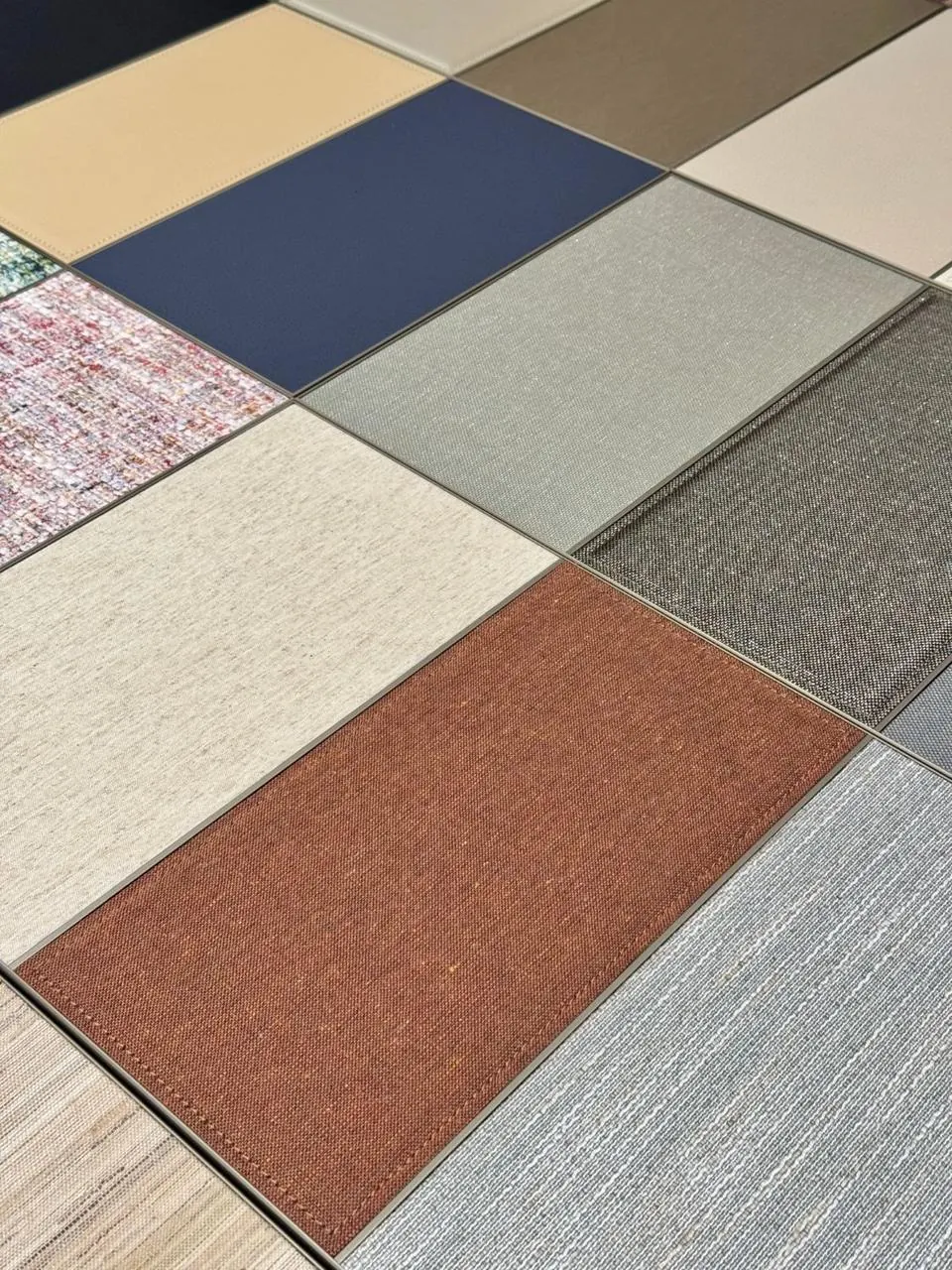
The 2026 catalogue lists 15 textile finishes for both models, including wallcovering fabric, natural linen and velvet. They range from quiet, fine linen-like weaves to stronger textures. A fine weave keeps a long wardrobe run calm; a pronounced texture works best on a few doors where it can be seen up close.
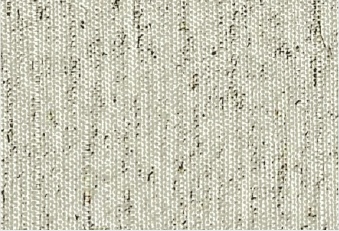
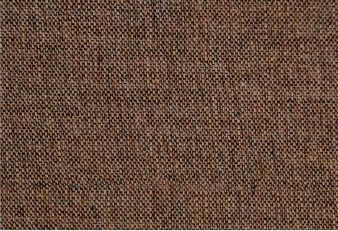
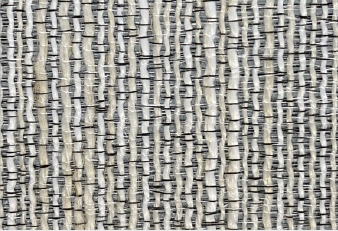
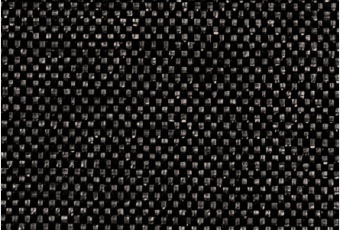
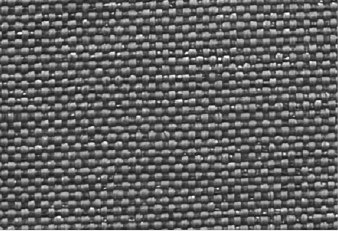
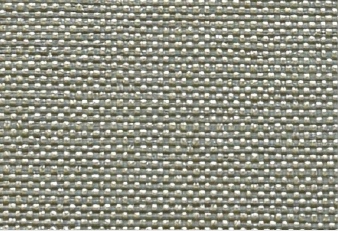
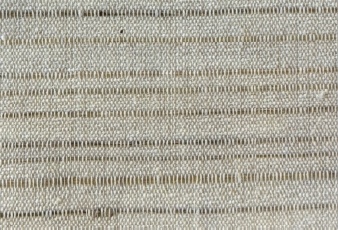
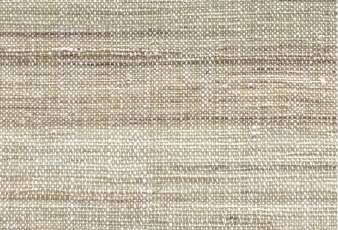
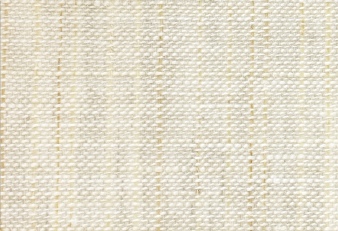
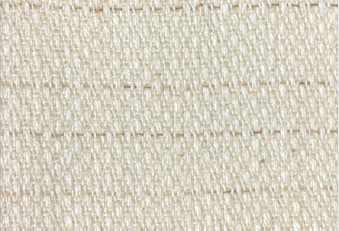
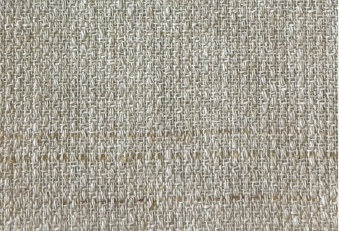
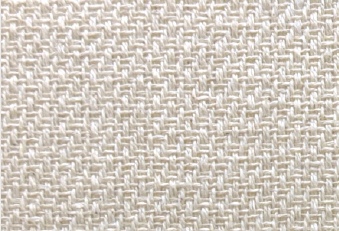
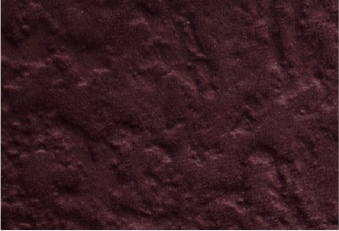
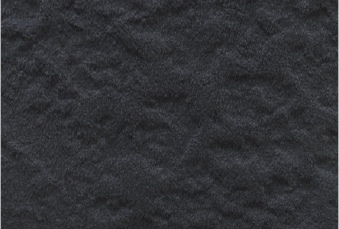
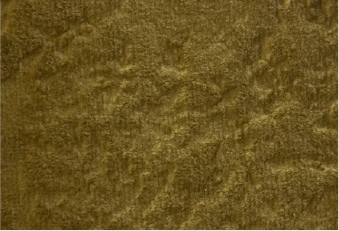
Colours on screen are a reference. Ask for a physical sample before you decide; the sample governs.
3. Choose the edge and the handle.
The aluminum edge comes in polished anodized silver, grey or champagne. A silver or champagne edge lifts a light fabric; grey suits darker weaves.
Handles follow the model. Quadro offers the GNN2506A wrapped pull for its three-panel layout, plus the GNN2769B pull, GM148-5 short pull and EM962 recessed pull. Tessa uses the GM148-4 standard or long pull, GM148-5 short pull or EM962 recessed pull. We confirm the handle position with your drawing.
4. Size it and ask for a quotation.
Each leaf can be up to 600 mm wide and 2700 mm high. Fabric doors are priced by the grade of the fabric you choose and quoted for your project. The quotation covers the assembled door, its standard handle and matching hinges; each leaf is billed at a minimum of 0.5 m². Cabinets, interior fittings, freight, taxes and installation are separate.
Send the model, fabric code, door sizes, quantities and opening sides. For a whole wardrobe front, send the overall width and height and we will help you split it into leaves. Ourmeasuring guide shows what to measure.
Choose a fabric.
We will quote the doors.
Tell us the fabric code you like, or ask for samples first.
Direct contact: +86 185 6600 3733. Your WhatsApp message opens as a draft; send it in WhatsApp to reach our team.